


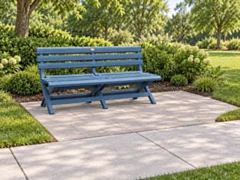
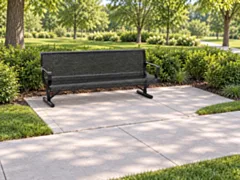
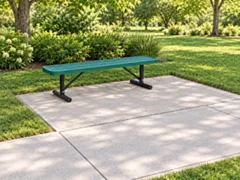
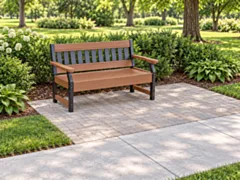
Care and Maintenance of Thermoplastic Furnishings

One of the most appealing features of thermoplastic-coated furnishings is their minimal maintenance requirements. Thanks to their tough, non-porous surface, these furnishings retain their appearance and functionality with very little upkeep - making them ideal for busy commercial and public environments.
Routine Care Tips
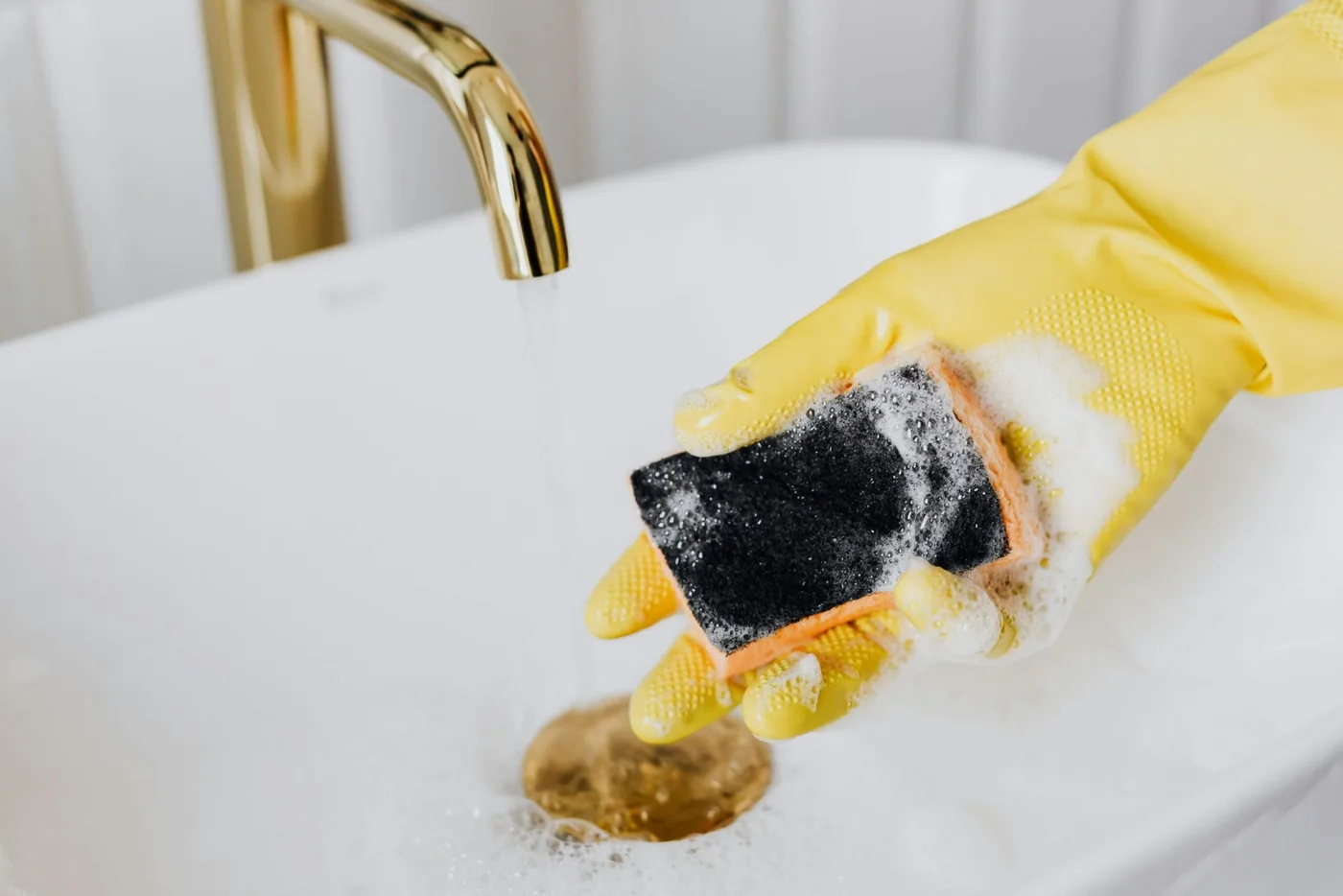
- Regular Cleaning: Use mild soap and water with a soft cloth or sponge to clean the surface. For tougher grime or stains, a non-abrasive cleaner or soft-bristel brush can be used. Rinse thoroughly to prevent residue buildup.
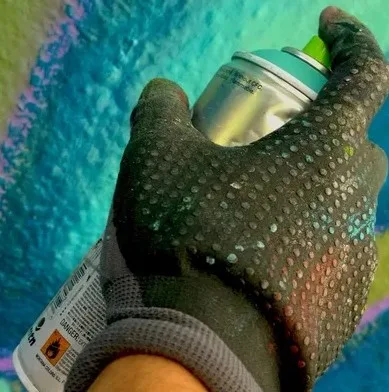
- Graffiti and Stain Removel: Most thermoplastic surfaces are graffiti-resistant and can be cleaned using commercial graffiti removers designed for plastic-coated surfaces. Prompt cleaning helps prevent long-term staining or discoloration.
- Inspect Fasteners and Mounts: Periodically check bolts, anchors, and welds (if applicable) to ensure structural stability. Tighten or replace any loose or damaged hardware to maintain safety.
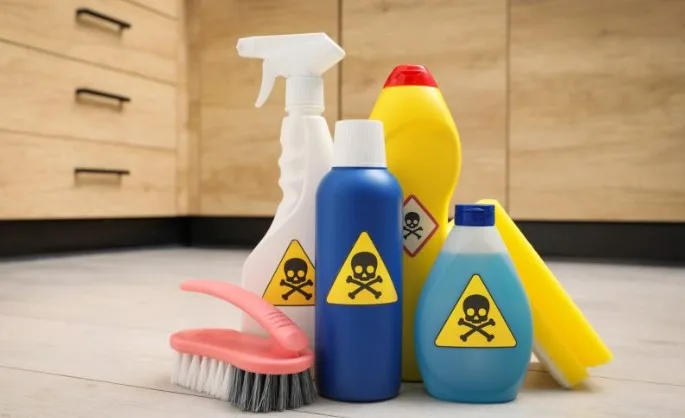
- Avoid Harsh Chemicals: Do not use solvents, bleacher, or abrasive pads that could degrade the finish or cause surface damage. Stick to pH-neutral cleaners for the best long-term care.
Seasonal Maintenance
- Spring/Call Checkups: Clean and inspect furnishings at the beginning and end of heavy-use season (such as spring and fall) to address any weather-related wear.
- Winter Storage (if moveable): While thermoplastic is highly weather-resistant, portable furnishings can be stored during off-season to extend their life even further - especially in areas with extreme freeze-thaw cycles.
Minimal Maintenance Compared to Other Materials
MaterialMaintenance NeedsThermoplasticOccasional Cleaning, Rare Repairs, No RefinishingWoodRegular Sealing, Painting, Splinter Removal, Rot ControlMetalRust Prevention, Painting/Touch-Ups, Corrosion ManagementPainted PlasticPaint Touch-Ups, UV Protection, Surface Wear Correction